


15 Jan কলিতে শ্রীশ্রী মহামায়া বগলামুখীই চণ্ডীরূপা
— ~ কলমে সোমানন্দ নাথ
( প্রতিষ্ঠাতা আচার্য, বগলামুখী মাতৃ মিশন)
“যা চণ্ডী মধুকৈটভাদিদৈত্যদলনী যা মাহিষোন্মূলিনী
যা ধূম্রেক্ষণচণ্ডমুণ্ডমথনী যা রক্তবীজাশনী ।
শক্তিঃ শুম্ভনিশুম্ভদৈত্যদলনী যা সিদ্ধিদাত্রী পরা
সা দেবী নবকোটীমূর্তিসহিতা মাং পাতু বিশ্বেশ্বরী ।।…”
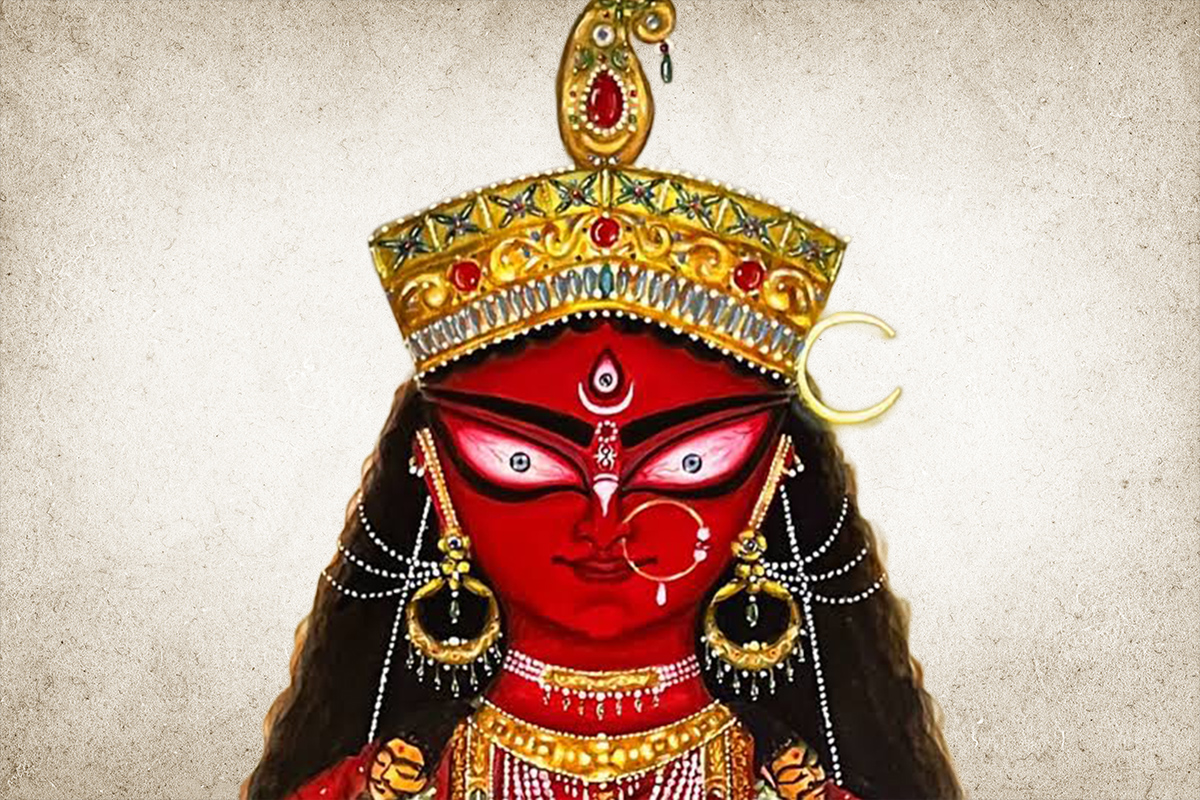
অর্থাৎ, এই আদিশক্তি দেবী চণ্ডিকা মধুকৈটভাদি-দৈত্যনাশিনী, শুধু তাই নয় তিনি স্বয়ং মহিষাসুরমর্দিনী, তিনিই জগদীশ্বরী, কোটিব্রহ্মস্বরূপিনি। এই পরমব্রহ্মস্বরূপিনি নবকোটী সহচরী পরিবৃতা, তিনি আমাকে পালন করুন এই প্রার্থনা আমার। শ্রীশ্রীমার্কণ্ডেয় চণ্ডীতে উল্লেখ পাই যে, তিনি বহুরূপা, তিনি সৃষ্টির মূল। সেই গ্রন্থে তিনি মহাসরস্বতী, মহাকালী রূপ নিয়েছেন দানবদলন করতে। তবে, আমরা ইতিমধ্যেই আমরা তিন যুগ পেরিয়ে কলিযুগের মাঝামাঝি স্থানে অবস্থান করছি, এ যুগে দেবগণের চারগুণ বেশি ভক্ত সংখ্যা ঠিক তেমনই এ যুগে দেবগণের কৃপা পাওয়াও খুব সহজ। কিন্তু আমরা সেই সাধারণ পথকেই বোঝার চেষ্টা করিনি, বা এখনও করিনা। কলিযুগে কোটিব্রহ্মস্বরূপিনী শ্রীশ্রীচণ্ডী মহামায়া বগলার রূপে জীব উদ্ধারে মত্ত। সেই সত্যযুগে দেবীর আবির্ভাব হয়েছিল জগতকে স্তম্ভন করতে, আজ তিনিই ব্রহ্মাস্ত্ররূপীনি। দেবী বগলামুখীর স্মরণে যে ভক্ত থাকবেন, তাঁকেই তিনি সর্বশক্তি প্রদান করবেন, প্রদান করবেন ব্রহ্মশক্তি যাকে আমরা বাকশক্তি বলেও উল্লেখ করতে পারি।
প্রসঙ্গত, শ্রীশ্রীচণ্ডী গ্রন্থে দেবীর যে মূল ধ্যান উল্লেখ রয়েছে সেখানেই মহামায়া বগলামুখীর উল্লেখ পাওয়া যাবে। দেবী চণ্ডিকা তিনি পীতস্বরূপা, পীতবস্ত্র পরিহিতা এবং রত্নসিংহাসনে আসীনা। তিনিই দেবী বগলামুখী, আমাদের আরাধ্যা। আমরা কজন সঠিক চণ্ডীর পাঠ করি বলুন তো? কজন সঠিক শ্রীশ্রীচণ্ডীর সঠিক পূজা জানি? না, অনেকেই জানেন না, তাই ভুল উচ্চারণ এবং ভুল পদ্ধতি মেনে চলছেন।
শ্রীশ্রীচণ্ডীর পাঠ এবং পূজা করতে গেলে সবার আগে দেবীর মূল পূজা সম্পন্ন করতে হবে। কামিনীর ধ্যান, পূজার পর পঞ্চ দেবতার পূজা এবং তারপর দেবীর ধ্যান পাঠ করতে হবে, পূজা করতে হবে তাঁর যোগীনীদের, দেবীর প্রতিটি অস্ত্রের পূজার পাশাপাশি তাঁর নামার্চন সম্পন্ন করতে হবে, তবেই গ্রন্থ পাঠ করার অধিকার মিলবে। কজন করি আমরা? এমনকি যারা নিত্য পাঠ করেন তাদেরও এই সামান্য নিয়ম টুকু পালন করতেই হবে, তবেই পাঠ স্বার্থক হবে।
এবার আসি মূল কথায়, দুপুর ১২টার পর আর দেবীর চণ্ডী গ্রন্থ পাঠ করা যায় না, জানেন কি? শুধু তাই নয় কোনো রেনু যুক্ত রক্তপুষ্পও দেবীকে অর্পণ করা যায় না, সেটা জানেন? দেবীর এই পূজায় বলিদান একটি বিশেষ প্রয়োজনীয় অঙ্গ, যে চণ্ডীর পূজায় বলিদান সম্পন্ন হয়না, শাস্ত্র বলছে সেই পূজা নিষ্ফল। কারণ স্বয়ং দেবী যোগমায়া পূজায় বলির উল্লেখ করেছেন, এবং সেই বলিদান কোনো প্রতীকী নয়, ছাগ রক্তে সন্তুষ্ঠা তিনি, দেবী চণ্ডীর পূজায় তুলসী পত্রের ব্যবহারও নিষিদ্ধ। তাই সকল ভক্তের উদ্দেশ্যে আমার বিনীত অনুরোধ যে, দেবী চণ্ডীকে ভুল ব্যাখ্যা করবেন না বা তাঁর পূজায় কোনো ভুল উপকরণ ব্যবহার করবেন না, তাতে তিনি ক্রোধিত হতে পারেন।
দেবী বগলামুখীই আদিতে চণ্ডীরূপা। কলিযুগে সাধারণ গৃহী ভক্তরা যদি সপ্তাহে অন্তত একবার মহামায়া বগলামুখীর শ্রীচরণে হলুদ ফুল অর্পণ করতে পারেন তাহলে তারা দেবী চণ্ডীর আশীর্বাদ পাবেন। কারণ স্বয়ং মা তাঁর এই রূপের উল্লেখ করে যাচ্ছেন শ্রীশ্রীচণ্ডীতে। এছাড়া, মহারাজা সুরথ এবং বৈশ্যরাজ সমাধি তাদের হৃতরাজ্য ফিরে পেতে এবং সর্বক্ষেত্রে জয় লাভের জন্যই দেবী চণ্ডীর পূজা শুরু করেছিলেন। এর অর্থ হল দেবী চণ্ডিকা সহজেই সাধককে তাঁর অভিষ্ট লক্ষ্যে পৌঁছে দেন। আর কলিযুগে মহামায়া বগলামুখীই চূড়ান্ত ফল দিতে পারেন সাধককে, কারণ তিনি সিদ্ধবিদ্যা।
দেবী চণ্ডীর থেকেই সর্ব জগতের সৃষ্টি, তাই তিনি তাঁর চার হাতে গ্রন্থ, অক্ষমালা, বর এবং অভয়মুদ্রা নিয়ে রয়েছেন। বলাবাহুল্য এই সবকটিই দেবীর প্রকট উদ্দেশ্যকে বোঝায়। তিনি অশুভের সংহার মূর্তি, আবার দেবী বগলামুখীও সংহার বিগ্রহ, তিনিও সাধকের সমস্ত শত্রুকে ধ্বংস করতে মদন্মত্তা। যাইহোক, মায়ের কৃপায় সকলের মঙ্গল হোক এই প্রার্থনা করি।
English Version
The Supreme Mother in the Age of Kali: Chandika as Mahamaya Baglamukhi
In essence, this Adi Shakti—Goddess Chandika—is the destroyer of demons such as Madhu and Kaitabha. Not only that, she herself is Mahishasuramardini, the slayer of Mahishasura; she is Jagadishwari, the sovereign of the universe, the embodiment of countless Brahmas. Surrounded by innumerable divine energies, this Supreme Brahman-form sustains all existence—may she nurture and protect me; this is my prayer.
In the Shri Shri Markandeya Chandī, it is said that the Goddess manifests in many forms and is the very source of creation. In that sacred text, she assumes the forms of Mahasaraswati and Mahakali to annihilate demonic forces. Yet today, having crossed three yugas, we stand in the midst of Kali Yuga. In this age, just as the number of devotees has multiplied many times over, so too has the ease of receiving divine grace. Unfortunately, we have neither tried to understand this simple truth nor truly followed the right path.
In Kali Yuga, the Chandika who embodies countless Brahmas is actively engaged in liberating beings in the form of Shri Shri Mahamaya Baglamukhi. In Satya Yuga, the Goddess appeared to paralyze and subdue the universe; today, she herself manifests as the living Brahmastra. Whoever remains devoted in remembrance of Goddess Baglamukhi is granted supreme power—Brahma Shakti, which may also be understood as Vak Shakti, the power of divine speech.
It is noteworthy that the very core meditation described in the Shri Shri Chandī clearly mentions Mahamaya Baglamukhi. Goddess Chandika is described as golden-hued, clad in yellow garments, seated upon a jeweled throne—this very form is Goddess Baglamukhi, our chosen deity. But how many of us truly recite Chandī correctly? How many know the proper method of worshipping Shri Shri Chandī? Most do not—and thus unknowingly follow incorrect pronunciations and flawed rituals.
To perform the recitation and worship of Shri Shri Chandī, one must first complete the Goddess’s foundational worship. This includes meditation on Kamini, followed by puja of the Panchadevata, then meditation upon the Goddess herself. One must worship her Yoginis, honor each of her divine weapons, and complete her Nama-archana. Only then does one gain the right to recite the scripture. How many of us actually follow this? Even those who recite daily must observe these essential disciplines for the recitation to bear fruit.
Now to an important truth—after 12 noon, the recitation of the Chandī scripture is not permitted. Did you know that? Furthermore, flowers associated with blood or pollen mixed with blood should never be offered to the Goddess. In Chandī worship, sacrifice is an essential ritual component. Scriptures clearly state that worship without sacrifice is fruitless. Goddess Yogamaya herself prescribes this offering, and it is not symbolic—she is pleased by the offering of goat blood. The use of tulsi leaves is strictly prohibited in Chandī worship. Therefore, my humble request to all devotees is this: do not misinterpret Goddess Chandī, and do not use improper materials in her worship, lest she become displeased.
In the primordial essence, Goddess Baglamukhi herself is Chandika. In Kali Yuga, if household devotees can offer yellow flowers at the sacred feet of Mahamaya Baglamukhi at least once a week, they will receive the blessings of Goddess Chandī. This is because the Mother herself declares this form in the Shri Shri Chandī. It was through Chandī worship that King Suratha and the merchant Samadhi regained their lost kingdoms and achieved victory in all endeavors. This shows that Goddess Chandika swiftly leads her devotees to their desired goals.
In Kali Yuga, it is Mahamaya Baglamukhi alone who can grant the ultimate fruition to the practitioner, for she is Siddha Vidya—the perfected divine knowledge.
From Goddess Chandī emerged the entire universe. Thus, she holds a scripture, a rosary, the boon-bestowing gesture, and the gesture of fearlessness in her four hands—each symbol revealing her divine intent. She is the embodiment of destruction of evil, and Goddess Baglamukhi too is a fierce form of annihilation, intoxicated with the destruction of the practitioner’s enemies.
May the grace of the Mother bring welfare and well-being to all—this is my sincere prayer.